
Electronic Interconnect Solutions: Connecting Components for Reliable Electronic Systems
As electronic devices continue to evolve, reliable connections remain essential to the performance and stability of modern electronic systems. From industrial control equipment and communication devices to consumer electronics and power management systems, electronic connectors and components play an important role in connecting circuits, transmitting signals, and supporting stable operation.
At ERYCO, we understand that every connection matters. With a broad range of electronic interconnect products, including PCB connectors, terminal blocks, FFC/FPC connectors, wire-to-board connectors, and various electronic components, ERYCO provides connection solutions for different design requirements and application environments.
By offering a diverse product range and focusing on practical connection needs, ERYCO supports customers in developing reliable and efficient electronic systems.
What Are Electronic Interconnect Solutions?
Electronic interconnect solutions refer to the components and connection technologies used to establish electrical connections between different parts of an electronic system.
These components help connect printed circuit boards (PCBs), wires, cables, and electronic modules, enabling power distribution and signal transmission between different circuits.
Depending on the application, interconnect components may include:
• PCB Connectors: Male pin headers, female headers, box headers, and ejector headers for board-to-board and board-level connections.
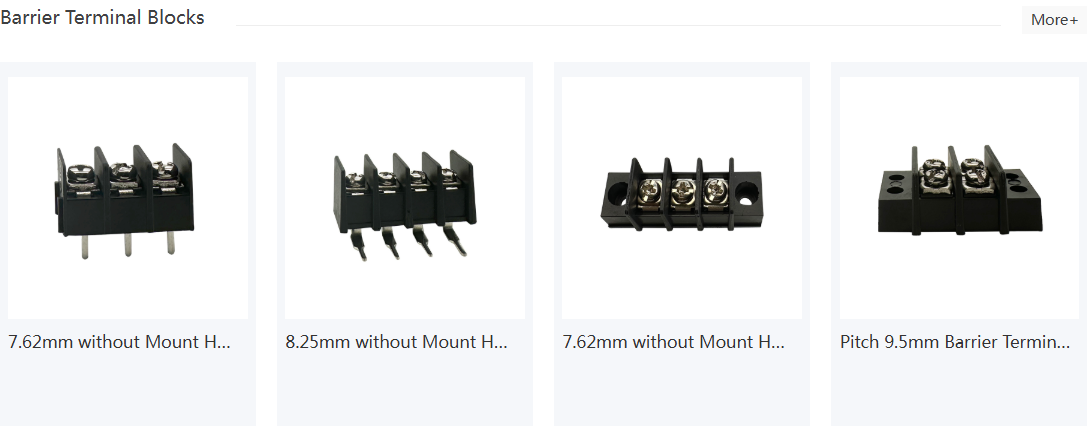
• Terminal Blocks: PCB terminal blocks, pluggable terminal blocks, and barrier terminal blocks for secure wire connections and power distribution.
• FFC/FPC Connectors: Compact connectors designed for flexible flat cables in space-limited electronic devices.
• Wire-to-Board & Wire-to-Wire Connectors: Solutions for connecting cables to PCBs or linking different wire assemblies.
• Card Connectors: SIM, Micro SIM, Nano SIM, and memory card connectors for electronic devices requiring removable storage or communication interfaces.
• Electronic Components: Switches, modular jacks, crystal resonators, transformers, relays, and other components for various electronic applications.
Each component serves a different purpose, but they all contribute to the overall connectivity and functionality of electronic equipment. Key Applications of Electronic Connectors and Components
Electronic interconnect products are used across a wide range of industries. Their designs and specifications vary depending on the electrical, mechanical, and installation requirements of each application.
Industrial Automation
Connectors and terminal blocks are commonly used in industrial control panels, PLC systems, machinery, and automation equipment. They help establish organized wiring connections for power and control circuits.
Telecommunications & Networking
Board connectors, modular jacks, USB connectors, and other interface components support signal connections and data communication in networking and telecommunications equipment.
Consumer Electronics
Compact connectors, switches, card connectors, and FFC/FPC connectors are widely used in electronic devices where space efficiency and dependable connections are important.
Power Supplies & Energy Equipment PCB terminal blocks, pluggable terminal blocks, and transformers are used in power supply units and electrical equipment to support power connections and circuit integration.
Automotive Electronics
Electronic connectors and switching components are used in various automotive electronic modules, where component selection must consider electrical requirements, mechanical stability, and operating conditions.
Lighting & Control Systems
PCB connectors, terminal blocks, and switches help connect lighting circuits, control boards, and related electronic modules.
What Should Engineers Consider When Selecting Electronic Connectors?
Choosing the right connector is important for both product design and long-term system performance. Engineers and designers should consider several key factors:
1. Electrical Requirements
Rated voltage, rated current, contact resistance, and insulation performance should match the requirements of the application.
2. Mechanical Design
Connector pitch, mounting method, orientation, dimensions, and connection structure should be compatible with the PCB layout and available installation space.
3. Connection Type
Different applications may require soldered, screw-clamp, crimped, or plug-in connections. The appropriate type depends on assembly methods and maintenance requirements.
4. Operating Environment
Temperature range, humidity, vibration, and other environmental conditions should be considered when selecting suitable materials and connector structures.
5. Product Compatibility
Connector dimensions, pin arrangements, cable specifications, and mating interfaces should be checked to ensure proper compatibility with existing components and equipment.
Careful consideration of these factors helps engineers select suitable components and build more reliable electronic systems.
ERYCO: A Range of Connection Solutions for Different Applications
As a connector and terminal block solution provider, ERYCO offers a diverse product portfolio covering multiple electronic connection requirements.
Our product range includes PCB connectors, FFC/FPC connectors, wire-to-board connectors, terminal blocks, card connectors, switches, modular jacks, crystal resonators, transformers, and other electronic components.
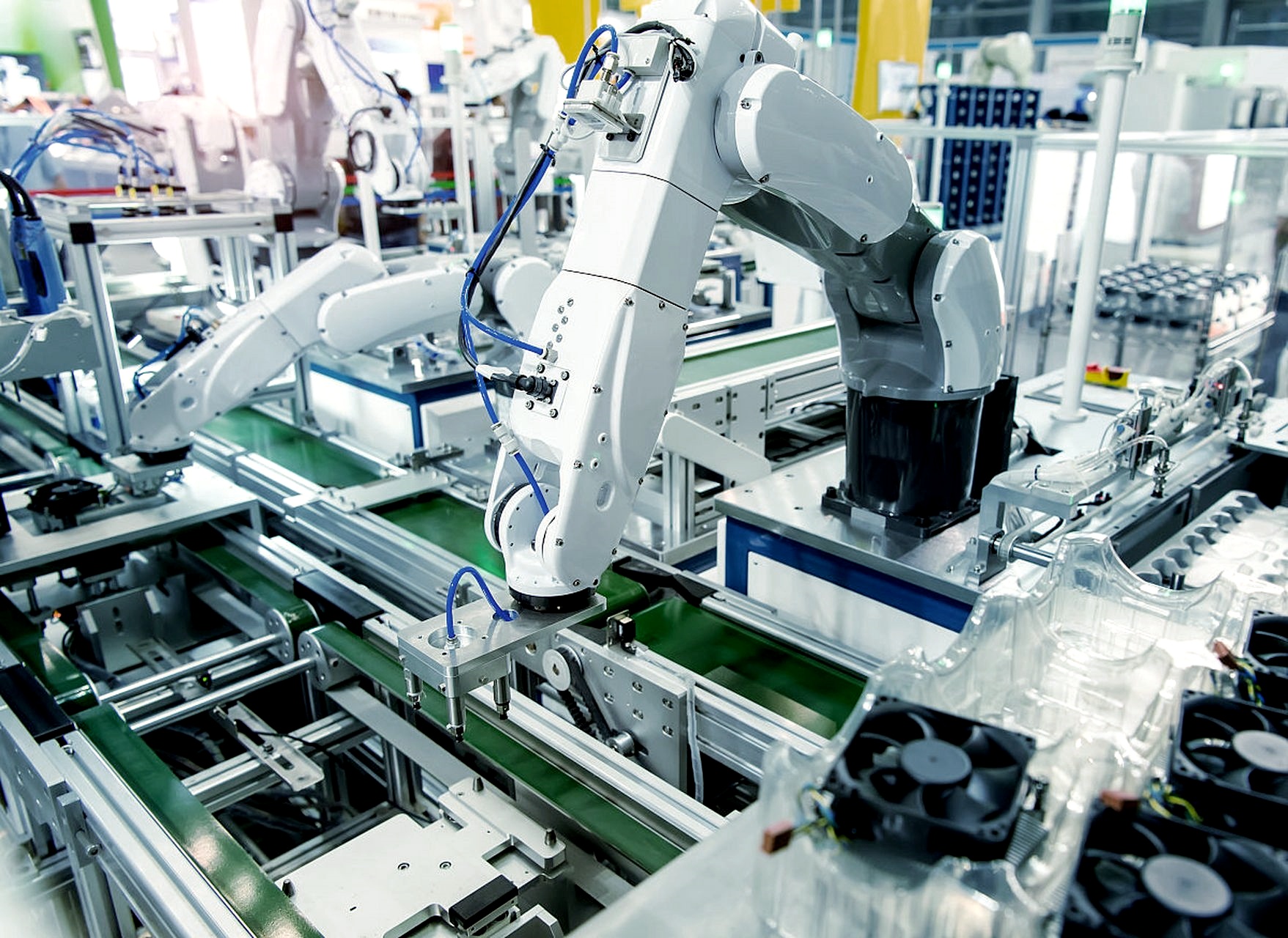
With in-house manufacturing and modern production equipment, ERYCO focuses on product precision, consistency, and practical application requirements.
Whether customers are developing industrial control equipment, communication devices, power supplies, or consumer electronics, selecting suitable connection components is an important part of building dependable products.
Frequently Asked Questions (FAQs)
Q1: What is the difference between a PCB connector and a terminal block?
PCB connectors are generally used to establish electrical connections between circuit boards, wires, or electronic modules. Terminal blocks are commonly used to connect individual wires to a PCB or electrical system, often through screw-clamp or plug-in structures.
Q2: How do I choose the right connector for my application?
Consider electrical ratings, pitch size, mounting type, connection method, available space, and operating environment. Reviewing product datasheets and mechanical drawings can help confirm compatibility.
Q3: What are FFC/FPC connectors used for?
FFC/FPC connectors are designed to connect flexible flat cables to electronic circuits. Their compact structure makes them suitable for applications with limited installation space.
Q4: Does ERYCO offer different types of electronic connectors?
Yes. ERYCO's product portfolio includes PCB connectors, terminal blocks, FFC/FPC connectors, wire-to-board connectors, card connectors, USB connectors, and various other electronic components.
Building Reliable Connections Together
As electronic technology continues to develop, the demand for suitable, dependable, and well-designed connection components remains important across different industries.
From individual PCB connections to complete wiring interfaces, selecting the right components helps support efficient assembly, stable electrical performance, and dependable equipment operation.
At ERYCO, we continue to provide a diverse range of electronic interconnect products to support different customer needs and application requirements.
ERYCO – Connecting Components, Supporting Innovation.